Step-by-step guides written for real people, not lawyers. Learn exactly what to do after an accident or injury in New Jersey.
Whether you were just in an accident or it happened months ago, these guides walk you through exactly what to do, and what to avoid.
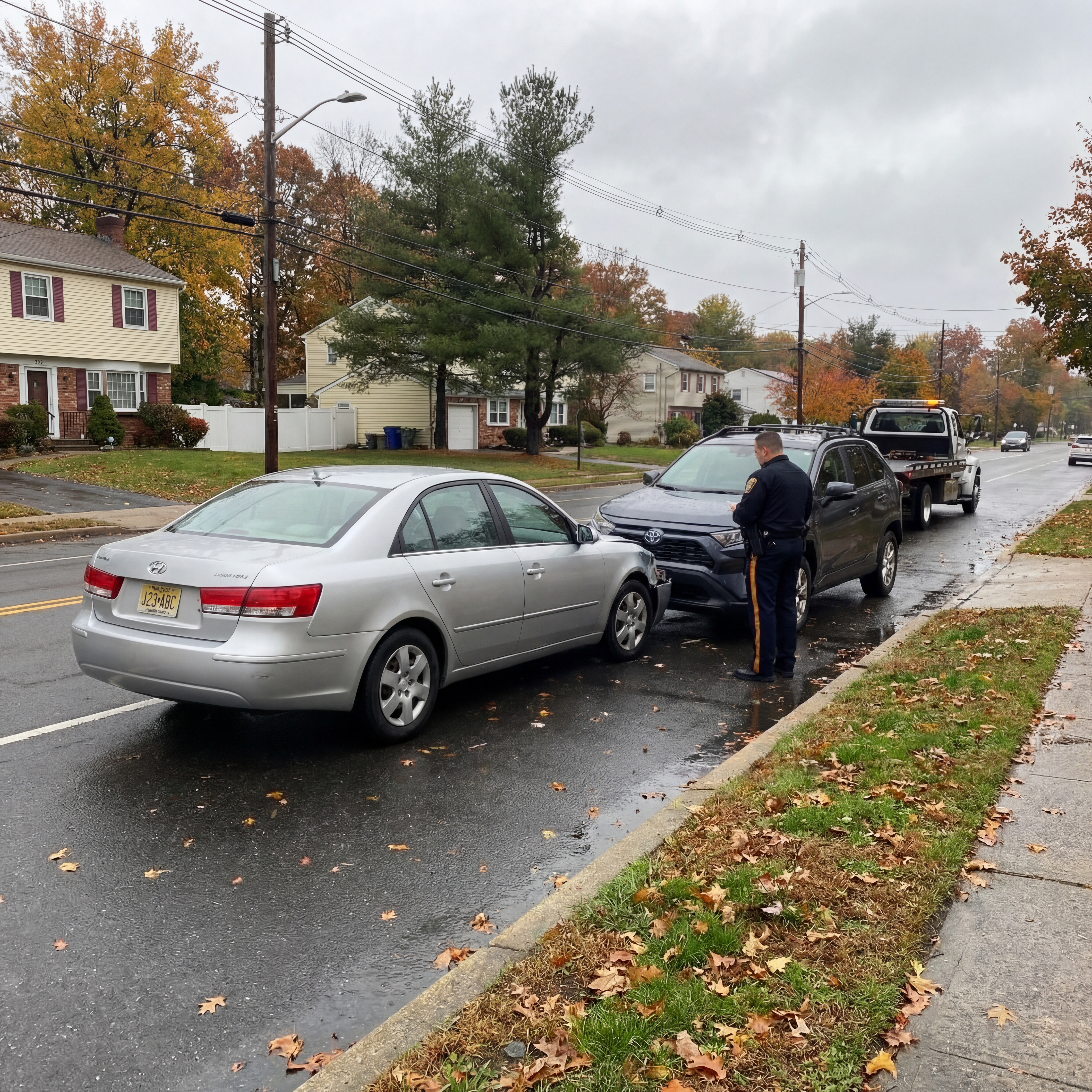
Car Accidents
The first 24 hours after a crash are critical. What you do, and don't do, can make or break your case. Here's your step-by-step guide.
Read Guide

Premises Liability
Slip and fall cases are won or lost based on evidence collected immediately after the incident. Don't leave the scene without doing these things.
Read Guide
Insurance
Insurance adjusters are trained to minimize what they pay you. These are the tactics they use, and how to protect yourself from day one.
Read Guide
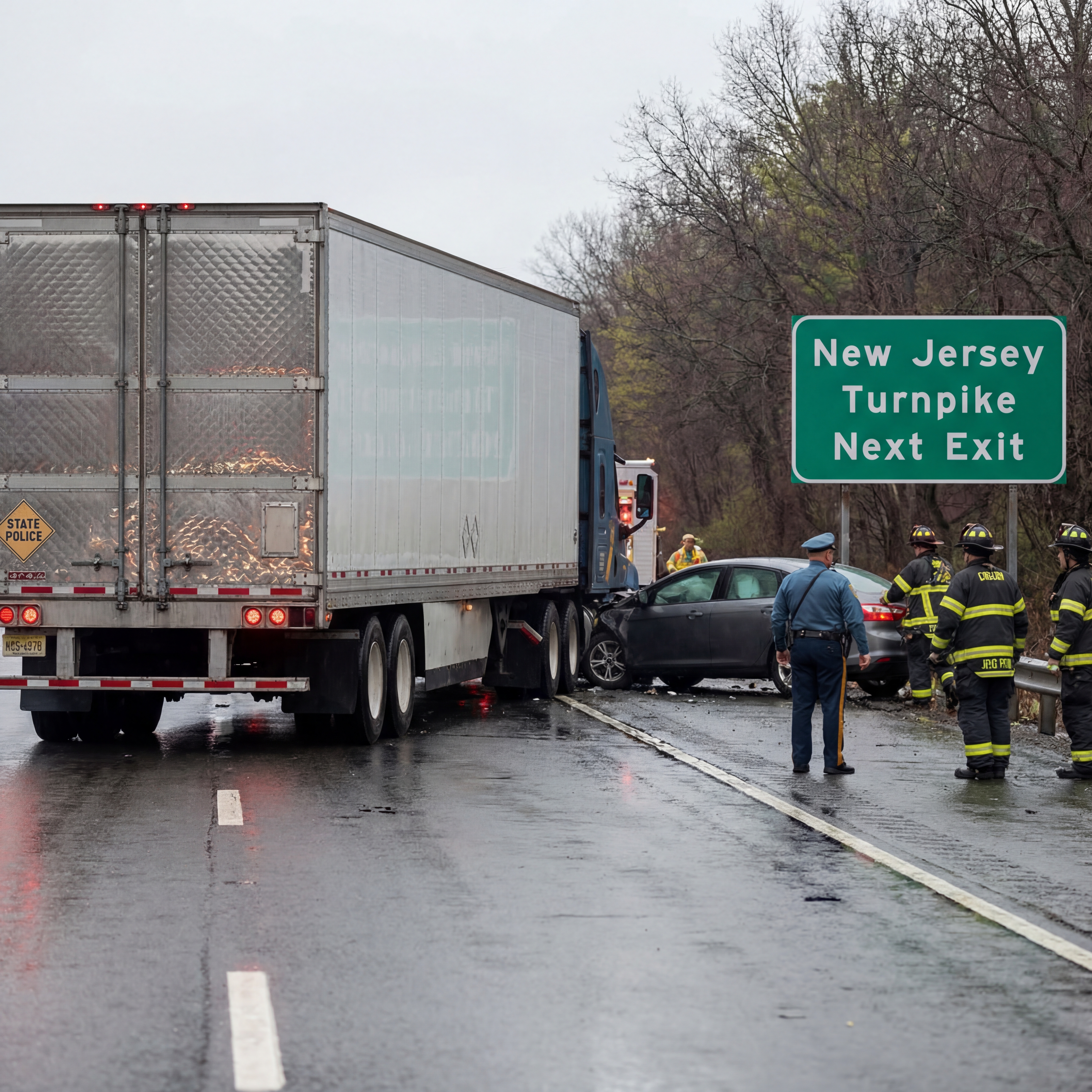
Serious Injuries
Serious injuries, including TBIs, spinal injuries, and amputations, require a different legal strategy. Here's what you need to know about future damages and long-term care.
Read Guide
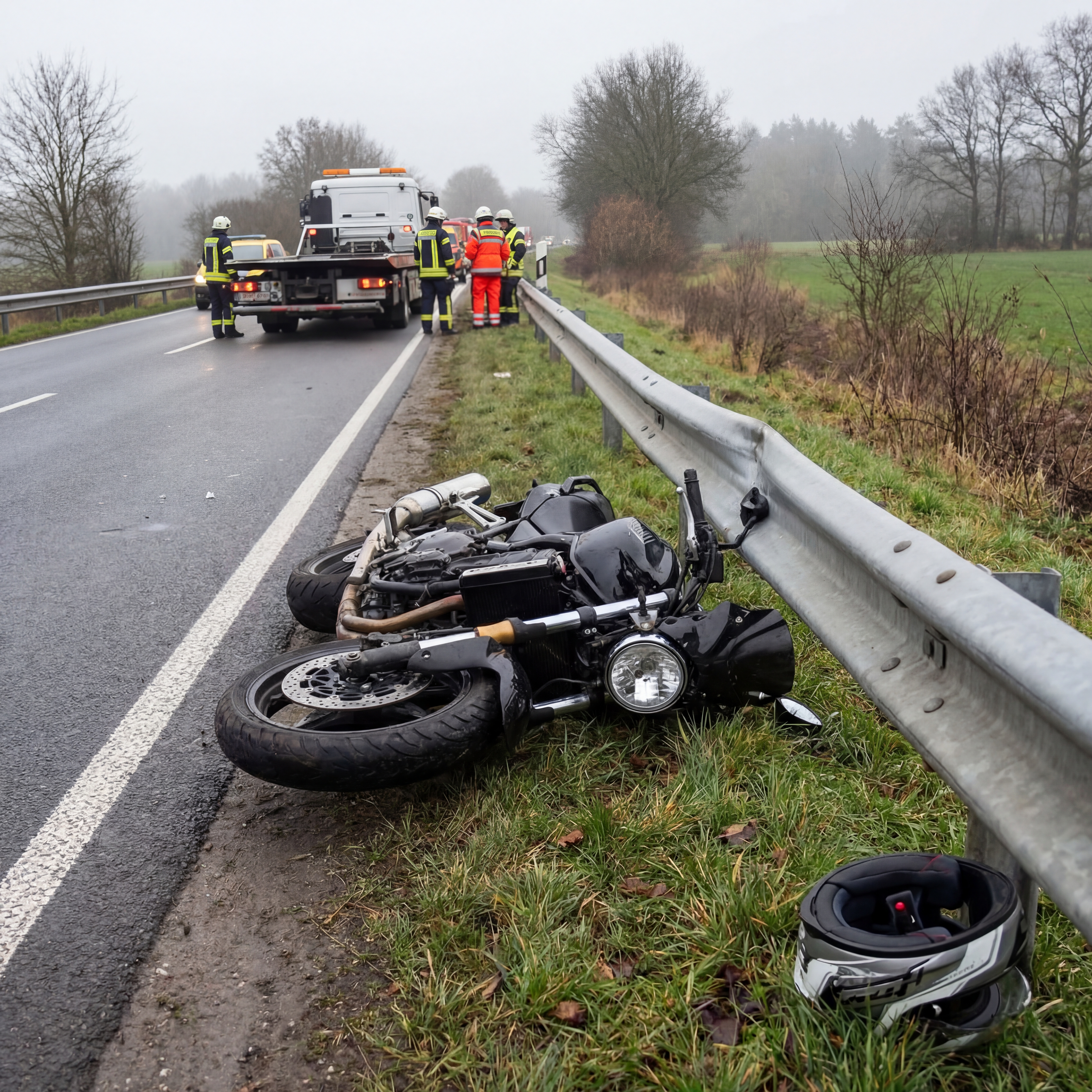
Motorcycle Accidents
Riders are unfairly stereotyped. Insurance companies use this against you. Here's how we fight back and why it matters for your payout.
Read Guide
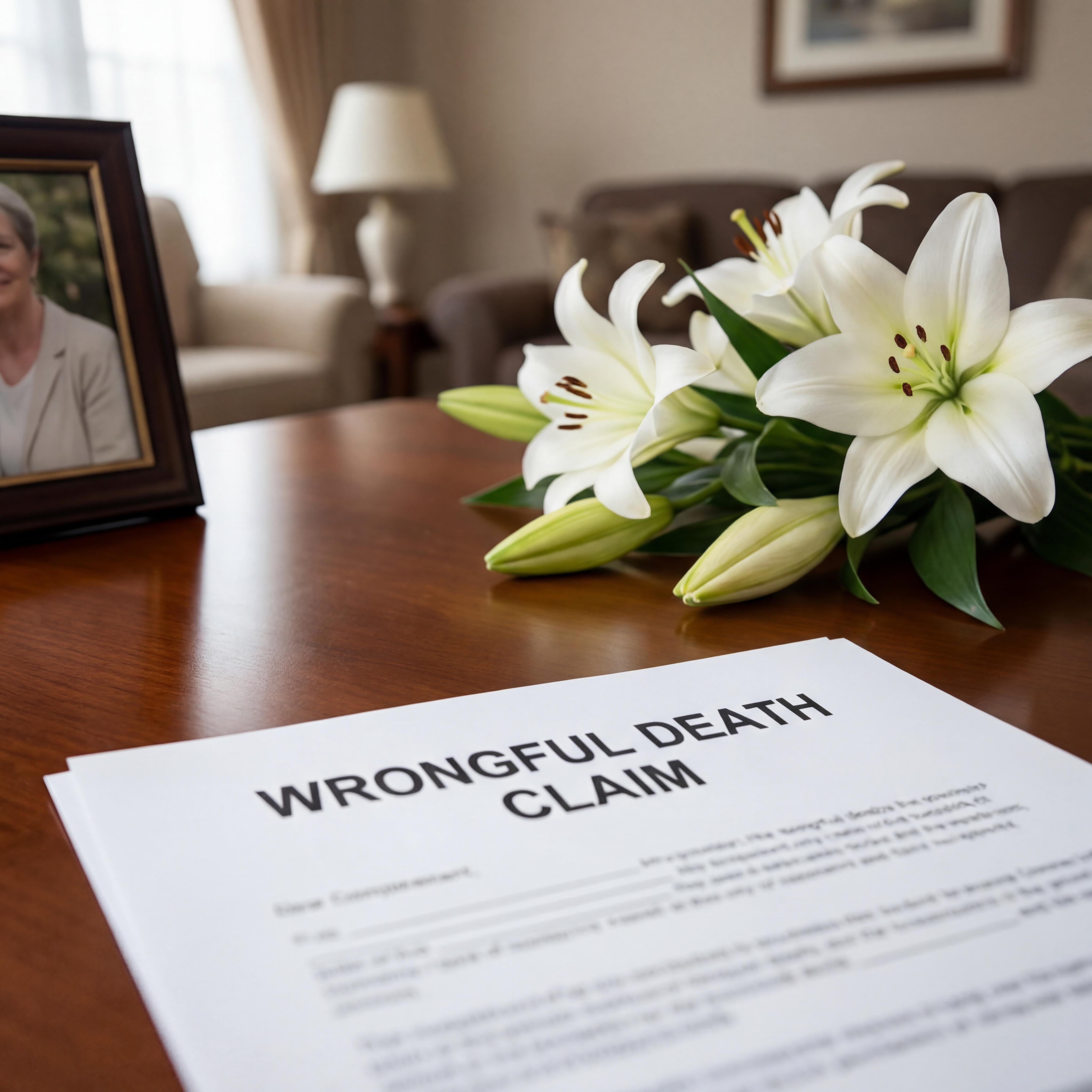
Wrongful Death
If someone's negligence caused your family member's death, you have rights. This guide explains who can file a claim, what you can recover, and how the process works.
Read GuideA car crash is overwhelming. Your adrenaline is high, you may be injured, and everyone around you is panicked. But the actions you take in the minutes and hours after a crash will directly affect the outcome of your injury claim. Follow these steps.
A police report establishes an official record of the crash. Without it, the other driver can change their story later. Always get a report number before leaving the scene.
Photograph the vehicles, road conditions, skid marks, traffic signs, and any visible injuries. If you cannot, ask a bystander. Video is even better. These images are often the most critical evidence.
Get the other driver's name, insurance information, and license plate. Collect contact information from all witnesses before anyone leaves.
Many injuries, including whiplash, concussions, and internal bleeding, often don't show symptoms right away. A same-day medical visit creates a record linking your injuries to the crash. Delays can be used against you by insurers.
The other driver's insurance company will call you quickly and ask for a recorded statement. Decline politely. These recordings are analyzed for anything that can be used to minimize or deny your claim.
Slip and fall cases depend heavily on evidence. Property owners and their insurers will quickly try to deny liability. Here's what to do immediately.
Tell the store manager, landlord, or property owner immediately. Insist that they complete an incident report . Ask for a copy. This creates an official record before they can clean up or fix the hazard.
Wet floors, broken pavement, poor lighting, loose rugs: photograph it before anyone moves or cleans it. Video is even better. These images are often the most important evidence in your case.
Anyone who saw you fall or who knows about the dangerous condition is a valuable witness. Get their name and phone number before they leave.
Even if you feel okay, get evaluated. Injuries from falls, especially to the back, neck, and head, can worsen over days. A same-day medical visit also protects your legal claim.
Your shoes and clothes at the time of the fall may be used as evidence. Put them in a bag and don't wash them. Defense attorneys often argue that footwear contributed to the fall.
Insurance adjusters are not your friends. Their job is to settle claims for as little money as possible. These are the most common tactics they use, and how to protect yourself.
Shortly after an accident, insurers often offer a fast, small settlement. This is designed to get you to sign away your rights before you know how serious your injuries are. Never accept a first offer without consulting an attorney.
They ask for a "quick recorded statement just to process your claim." These recordings are analyzed for anything that can be used to minimize your payout or deny liability. You are not required to give one. Call us first.
Insurers hire medical reviewers to claim that certain treatments weren't medically necessary. We fight back with your treating physicians' documentation and expert testimony when needed.
If you post photos or updates on social media, insurers may use them to argue you're not as injured as you claim. Limit your social media activity during your case and do not discuss your accident or injuries online.
Some insurers delay processing hoping you'll become financially desperate and accept less. We keep pressure on the process and ensure your claim moves forward on a timeline that serves you.